Shrimp Sinigang or Fish Sinigang
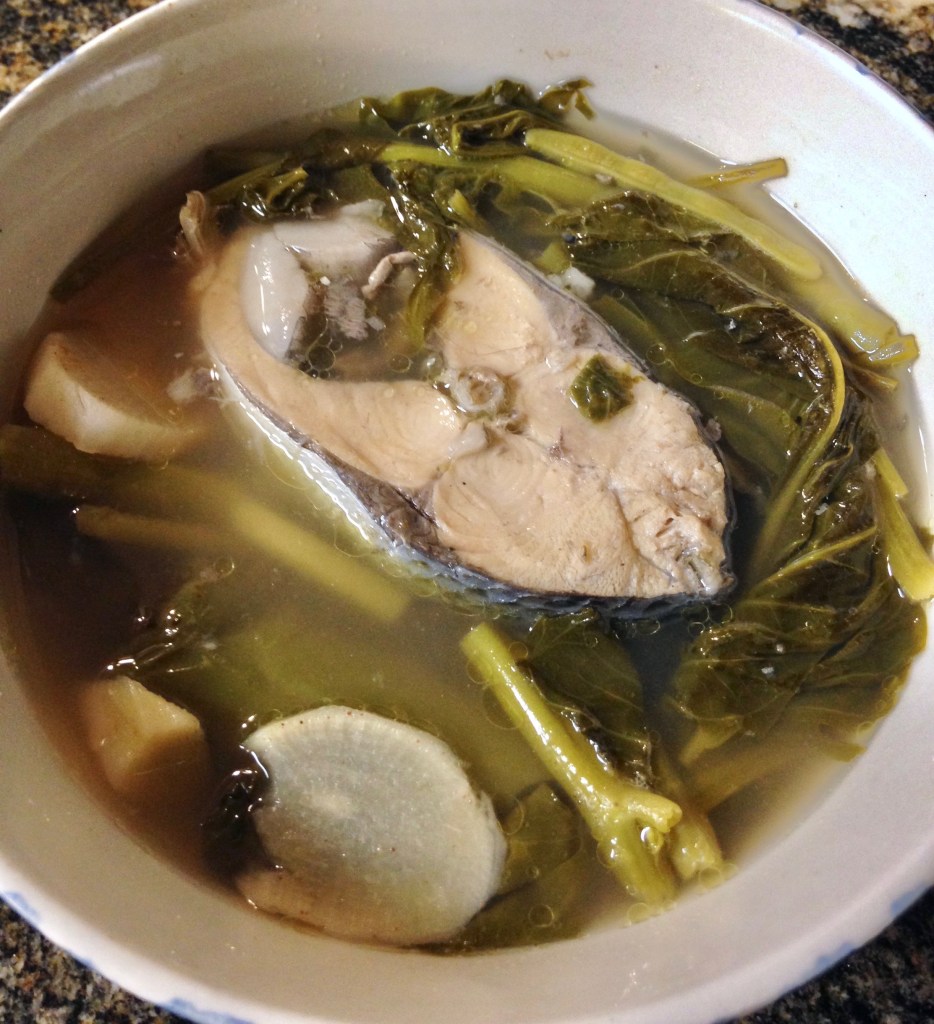
(Milkfish)
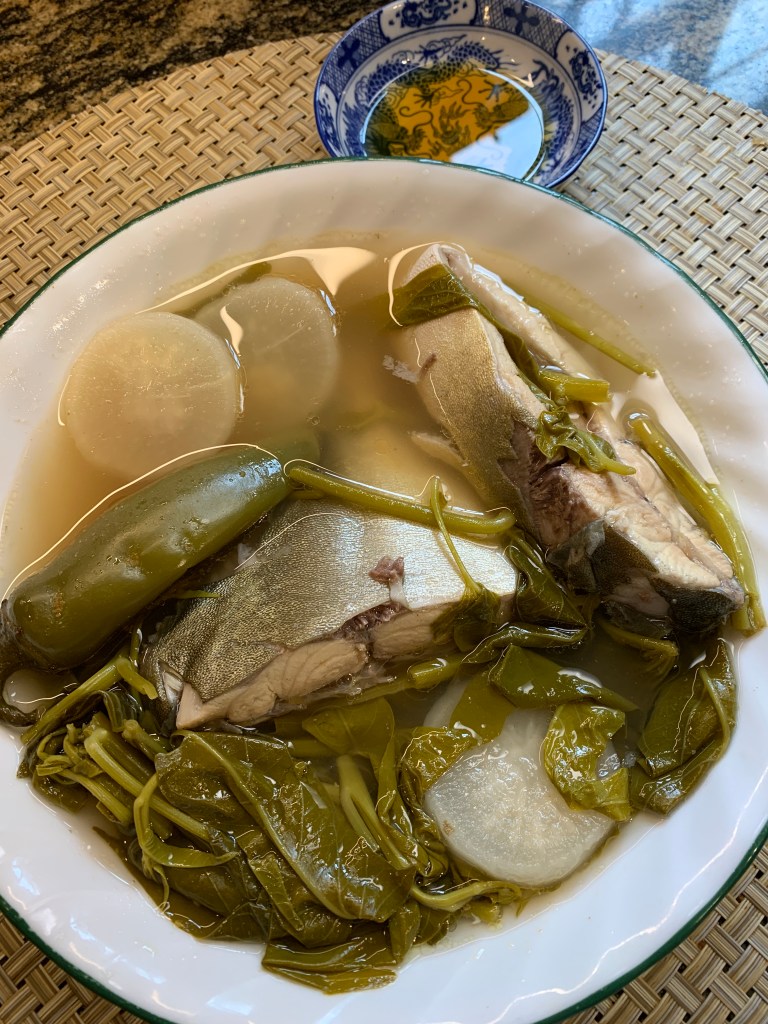
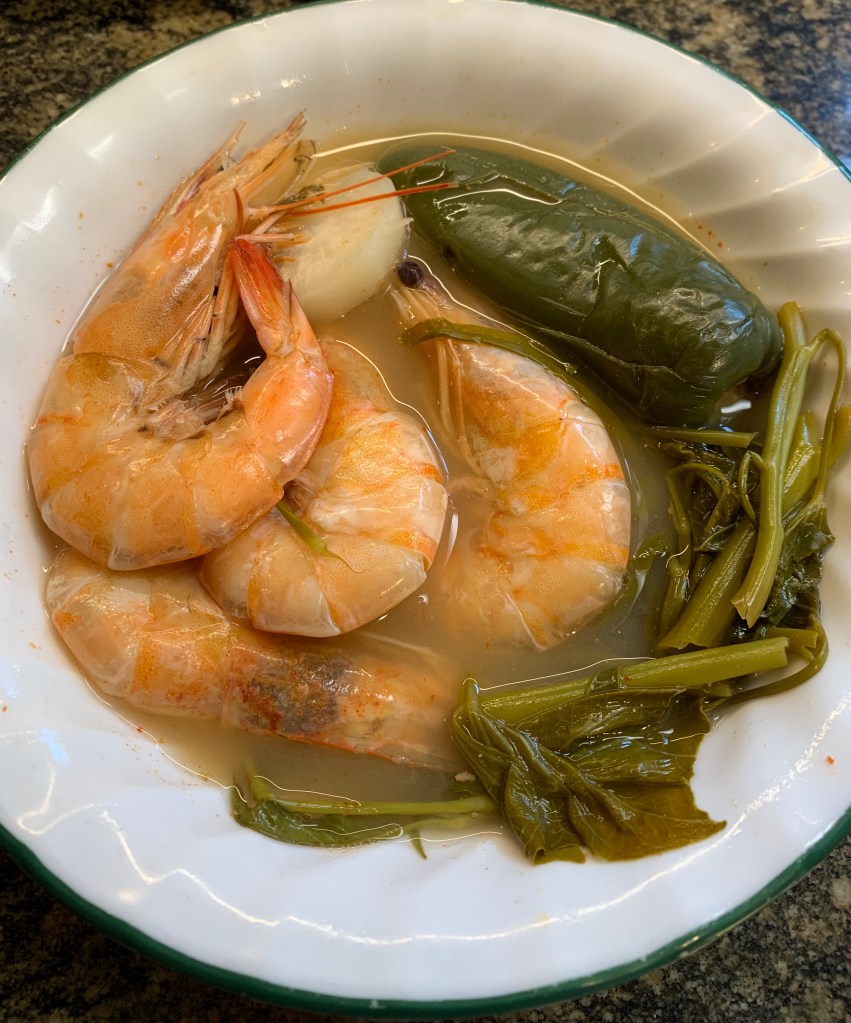
Shrimp Sinigang is one of the most popular everyday dishes other than fish (preferably Bangus) in the Philippines eaten with rice.
This recipe is if you are cooking it from scratch and do not have Sinigang Instant Mix which has many different brands, e.g., Knorr, Mama Sita, Nora, Sarap, etc.
- 1 tomato, diced
- 1/4 cup minced or thinly sliced onion
- Kangkong (swamp cabbage or water spinach (Ipomea aquatica)
- Daikon radish cut in disks
- Japanese eggplant cut in diagonal about 2″ thick
- Yard long beans (sitaw) cut into shorter pieces (optional)
- 1 to 2 mild peppers such as long green peppers
- Juice of a few green tamarind (authentic) or 2 TBSP concentrated lemon juice
The vegetables above are the authentic vegetables used in the Philippines. You can substitute other greens for the kangkong like mustard greens. Other people use spinach, even bok choy or leaf lettuce which I do not prefer at all. I may use fresh spinach but not the bok choy and lettuce but it is up to your taste. Green beans can also be substituted for the yard long beans (sitaw). I prefer the green beans because I don’t like sitaw or omit it altogether.
Boil about 1 cup of water in a large pot. Add the tomatoes and onions and let it simmer, pressing and stirring to crush the tomatoes. Add about 2 tsps. patis if using, otherwise add 1 teaspoon salt. When the tomatoes and onions are soft, add more water to preferred number of servings and let boil again. Drop in the rest of the vegetables and cook until semi-done. Then add the shrimp or fish you are using and boil until the shrimp or fish are done, including the vegetables.
Shrimp are done when they turn pink and curl. Fish is done when it is opaque and flakes when pierced with a fork.
Add the juice of the tamarind or 2 TBSP concentrated lemon juice (if you do not have tamarind or instant mix). Taste and add more to your liking. Season with salt or patis to your taste. The tartness of the broth has to be balanced with the salt. It’s up to your taste.
If you use the Sinigang Instant Mix, just boil a few cups of water then drop in the vegetables but you may omit the tomatoes and onions.
Then drop in the shrimp, about ½ lb to 1 lb. of medium size very fresh shrimp, heads on or not. Or any fish you prefer. Add the Sinigang Instant Mix, about 1 heaping tablespoon for that much water at first. Taste it then add some more if needed. This is a small batch.
Most of the time, depending on the brand of Sinigang Mix, I have to add a dash or two of garlic powder and onion powder to enhance the flavor. Sometimes I even have to add a few more dashes of salt if the mix is sour but not salty enough. And if I’m still not satisfied I add a dash of MSG. Usually it should do it.
Also, every experienced Filipino cook will tell you that shrimp absorb a lot of the sour flavor, especially after it has cooled and not served right away, so you may add more Sinigang Instant Mix than usual for the shrimp sinigang.
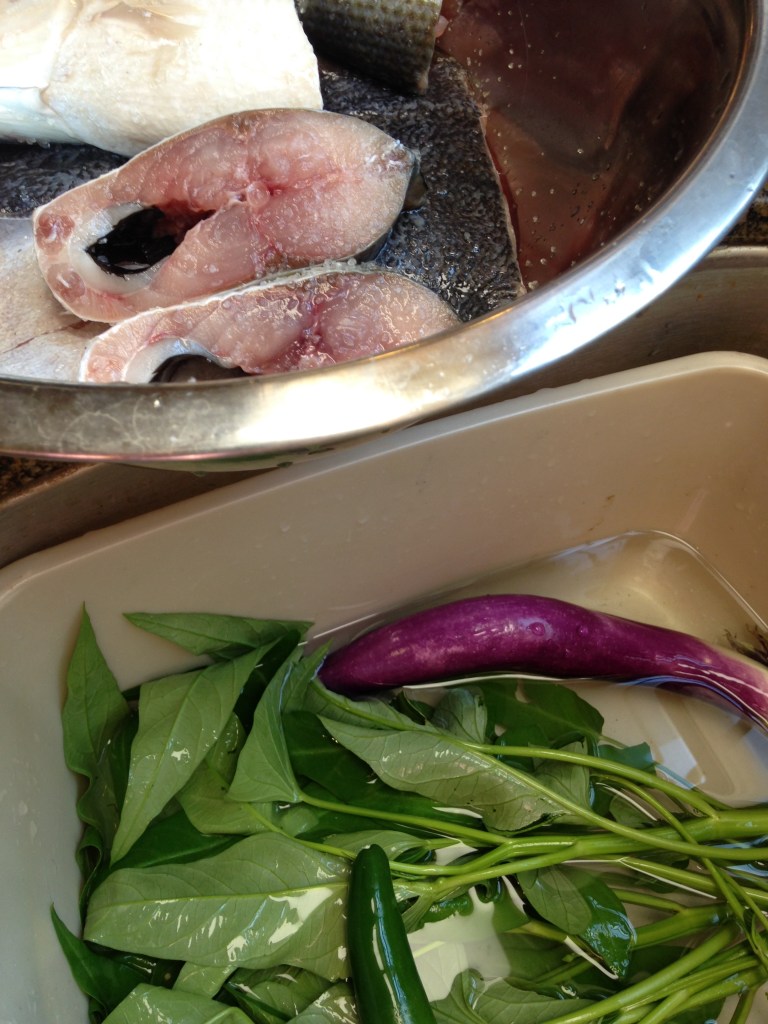
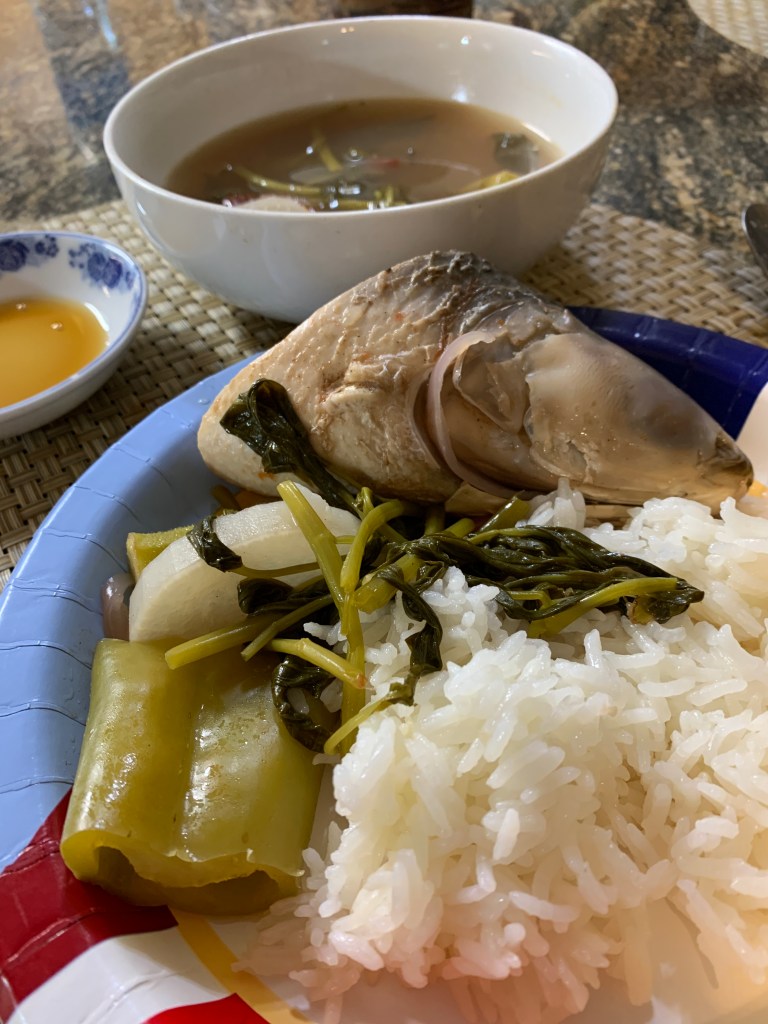
This is my favorite sinigang. Sinigang na bangus but you can use any kind of fish, e.g., catfish, hasa-hasa (short bodied mackerel), sapsap, pompano, etc. If you don’t like fish you can make Pork Sinigang too, even chicken.
The method of cooking is the same as any sinigang, so just follow the Sinigang Shrimp recipe above.

 Kusina ni Norie
You must be logged in to post a comment.